
A Guide to Ethical Silver Crafting Techniques for Brands


Understanding Ethical Silver Crafting
In recent years, the demand for ethically crafted silver products has increased significantly. Consumers are more informed and concerned about the origins and crafting processes behind the products they purchase. Ethical silver crafting is not just a trend; it’s a responsible approach that brands are embracing to ensure sustainability and fairness in their practices.
Ethical silver crafting involves several key principles, including sustainable sourcing, fair labor practices, and environmentally friendly techniques. This guide aims to provide brands with insights into how they can adopt these practices to create beautiful products while maintaining ethical integrity.

Sourcing Sustainable Silver
Recycled Silver
One of the most effective ways to ensure the ethical crafting of silver products is by using recycled silver. This approach reduces the demand for newly mined silver, which can have significant environmental and social impacts. Brands can source recycled silver from various suppliers that specialize in reclaiming silver from industrial waste, old jewelry, and electronics.
Fair Trade Silver
Another sustainable option is fair trade silver, which ensures that the mining communities are paid fairly and work under safe conditions. By choosing fair trade silver, brands can support ethical practices and contribute to the well-being of the communities involved in silver mining.

Implementing Fair Labor Practices
Ensuring fair labor practices is a crucial aspect of ethical silver crafting. Brands must ensure that artisans and workers involved in the crafting process are provided with safe working conditions, fair wages, and opportunities for skill development. This not only enhances the quality of life for workers but also improves the overall quality of the crafted products.
Partnering with Ethical Workshops
Collaborating with workshops that adhere to ethical labor standards is essential. Brands should conduct thorough research and visit workshops to ensure compliance with fair labor practices. This partnership can lead to a more transparent supply chain and build consumer trust.

Adopting Environmentally Friendly Techniques
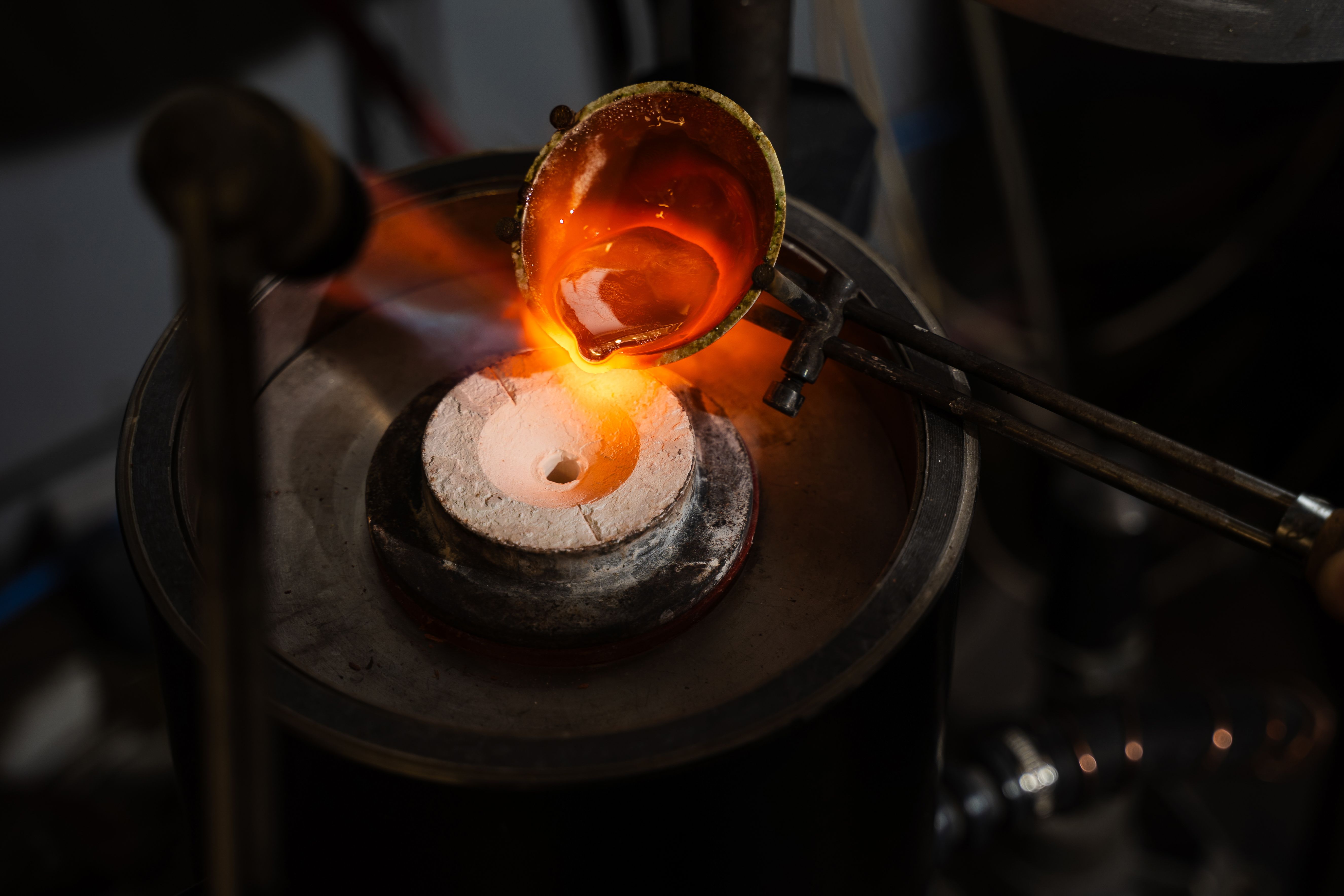
Environmentally friendly crafting techniques help reduce the carbon footprint associated with silver production. Brands can adopt processes that minimize waste and use less energy-intensive methods. Techniques such as handcrafting and using non-toxic chemicals for cleaning and polishing silver are excellent ways to preserve the environment.
Innovative Crafting Methods
Embracing innovative and traditional crafting methods can also contribute to sustainability. Techniques like filigree and hand engraving not only produce unique designs but also require less energy than mass production methods. These practices honor craftsmanship and reduce environmental impact.
Communicating Your Ethical Practices
Once a brand has implemented ethical silver crafting techniques, it is essential to communicate these efforts to consumers. Transparency is key. Brands should highlight their ethical sourcing, fair labor practices, and environmentally friendly techniques through their marketing channels. This builds trust and encourages consumers to make informed purchasing decisions.
By adopting and promoting ethical silver crafting techniques, brands can play a significant role in shaping a more sustainable and fair silver industry. This not only benefits the environment and communities but also enhances brand reputation and consumer loyalty.