
A Step-by-Step Guide to Designing Your Own Brand-Specific Jewelry Line


Understanding Your Brand Identity
Designing a brand-specific jewelry line begins with a clear understanding of your brand identity. Consider what makes your brand unique and how it stands out in the marketplace. Reflect on your brand values, target audience, and overall aesthetic. This foundation will guide your design process and ensure that your jewelry line aligns with your brand's vision.
Think about the emotions you want your jewelry to evoke and the story you want your brand to tell. Is your brand known for elegance, boldness, or minimalism? These elements will influence the style and materials you choose for your jewelry pieces.
Research and Inspiration
Once you have a clear brand identity, immerse yourself in research to gather inspiration. Explore current jewelry trends, but don't be afraid to look outside the jewelry industry for ideas. Fashion, architecture, and nature can all provide unique inspirations for your designs.
Create a mood board to visualize your inspiration and keep your ideas organized. This can be a physical board or a digital collection of images and concepts. It will serve as a reference point as you begin sketching your designs.
Sketching Your Designs
Start translating your ideas into tangible designs by sketching. Don’t worry about perfection at this stage; focus on getting your ideas down on paper. Consider the shapes, sizes, and functionalities of your pieces. Sketching is a creative process, so let your imagination flow.
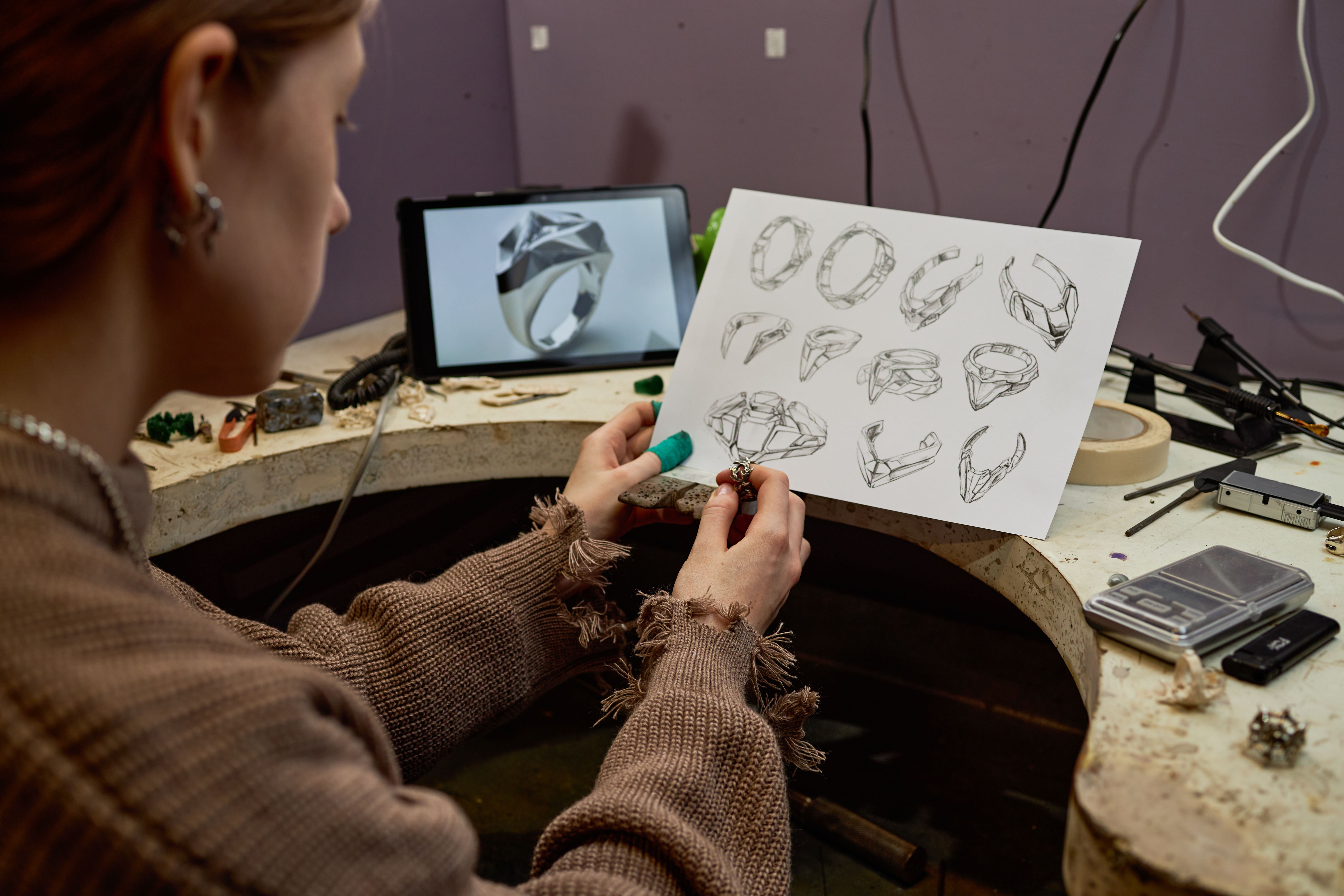
Once you have several sketches, refine them by selecting the designs that best represent your brand identity and appeal to your target audience. These refined sketches will form the basis of your prototype development.
Selecting Materials
Choosing the right materials is crucial to the success of your jewelry line. Consider the quality, durability, and aesthetic appeal of the materials you plan to use. Common options include gold, silver, platinum, gemstones, and beads. Your choice should reflect your brand’s style and the preferences of your audience.
Source your materials from reputable suppliers to ensure authenticity and quality. Establishing strong relationships with suppliers can also help you get better deals and maintain consistent quality in your jewelry pieces.
Creating Prototypes
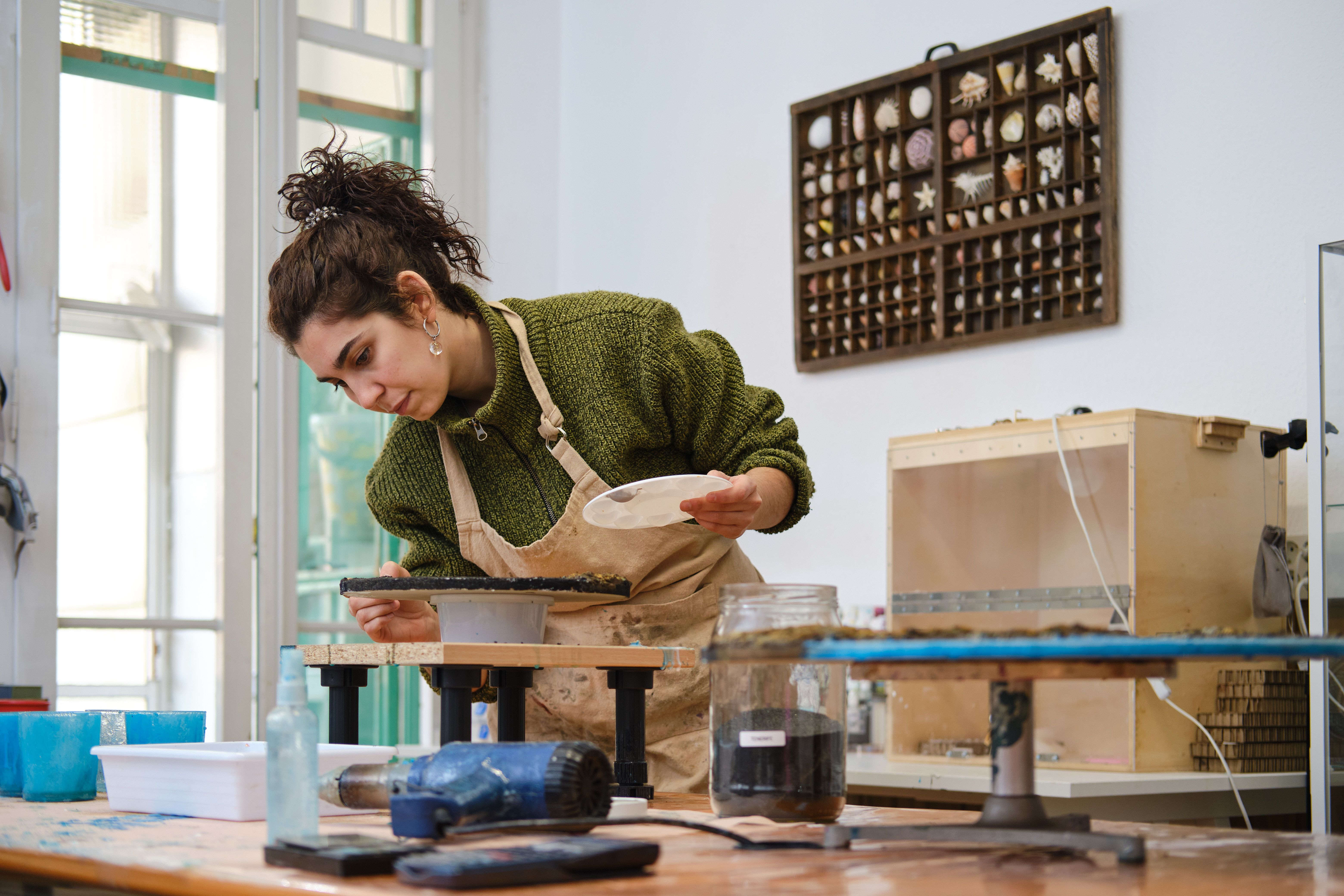
With your designs and materials ready, it's time to create prototypes. Work with skilled artisans or jewelers who can bring your sketches to life. This step is essential to identify any design challenges and make necessary adjustments before full-scale production.
Examine your prototypes closely for quality and design fidelity. Get feedback from trusted colleagues or potential customers to refine your designs further. Prototypes are a critical step in ensuring that your final product meets your expectations and resonates with your audience.
Marketing and Launching Your Line
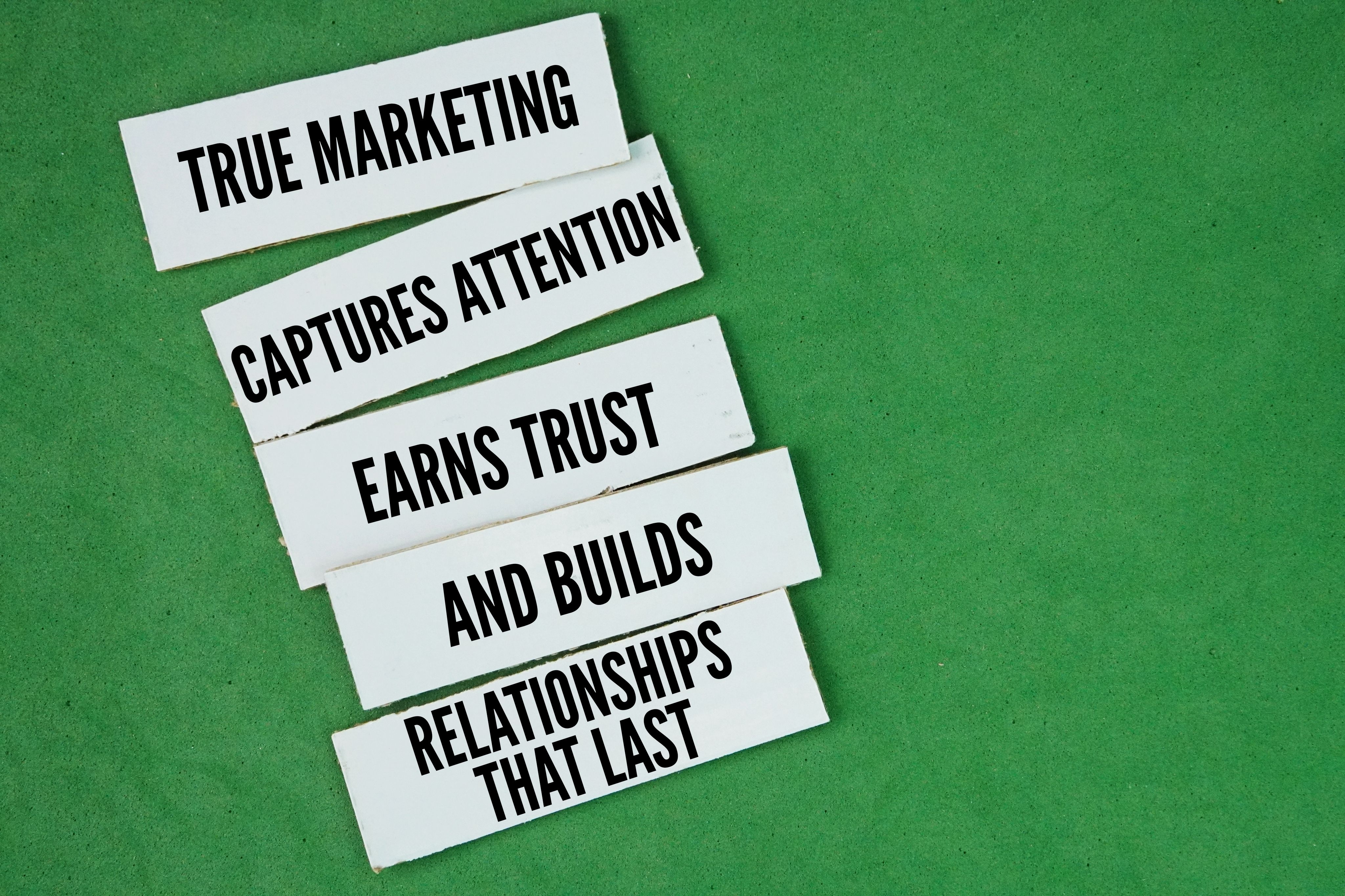
Once your prototypes have been perfected, it's time to prepare for the launch. Develop a marketing strategy that highlights the unique aspects of your jewelry line. Utilize social media, email campaigns, and collaborations to reach your target audience.
Create buzz around your launch through engaging content, such as behind-the-scenes videos, influencer partnerships, and exclusive previews. A successful marketing campaign will generate interest and excitement, setting the stage for a successful product launch.
Continuous Improvement
After launching your jewelry line, remain open to feedback and continuously seek ways to improve. Monitor sales, customer feedback, and market trends to make informed decisions about future designs and collections.
Your brand-specific jewelry line is a living entity that will evolve over time. By staying true to your brand identity and remaining adaptable, you can ensure long-term success and growth in the jewelry market.