
From Design to Delivery: Understanding the Private Label Jewelry Process


Introduction to Private Label Jewelry
In the competitive world of fashion, private label jewelry is emerging as a popular choice for brands seeking unique, exclusive pieces without the hassle of in-house manufacturing. Understanding the process from design to delivery can unlock opportunities for businesses to create bespoke collections that resonate with their target audience.

Designing Your Unique Collection
The journey begins with design. Collaborating with skilled designers, brands can bring their vision to life. This phase involves brainstorming, sketching, and selecting materials that align with the brand's identity. Attention to detail at this stage is crucial, as it sets the tone for the entire collection.
It's essential to consider current trends and customer preferences. Analyzing market data and feedback helps in creating designs that are not only visually appealing but also marketable. Customization options such as engraving or unique gemstone settings can add a personal touch to the pieces.
Choosing the Right Manufacturer
Once the designs are finalized, the next step is to find a reliable manufacturer. This decision can make or break the success of the collection. Brands should look for manufacturers with a proven track record in quality and ethical sourcing. Visiting the production facility, if possible, can provide insights into their capabilities and quality control measures.

Prototyping and Sampling
Before full-scale production, prototyping allows brands to see their designs in tangible form. This step is vital for identifying any design flaws or material issues. A sample piece can also serve as a marketing tool, helping to generate interest and pre-orders.
Feedback from stakeholders during this phase can lead to necessary adjustments, ensuring the final product meets expectations. This iterative process of testing and refinement is key to achieving a high-quality end product.
Production and Quality Assurance
With prototypes approved, production can commence. Manufacturers will create the jewelry pieces according to the agreed specifications. Implementing rigorous quality assurance processes ensures that each piece meets the brand's standards and is free from defects.

Brands should maintain open communication with the manufacturer to address any potential issues promptly. Regular updates and inspections during production can prevent costly delays and ensure timely delivery.
Packaging and Branding
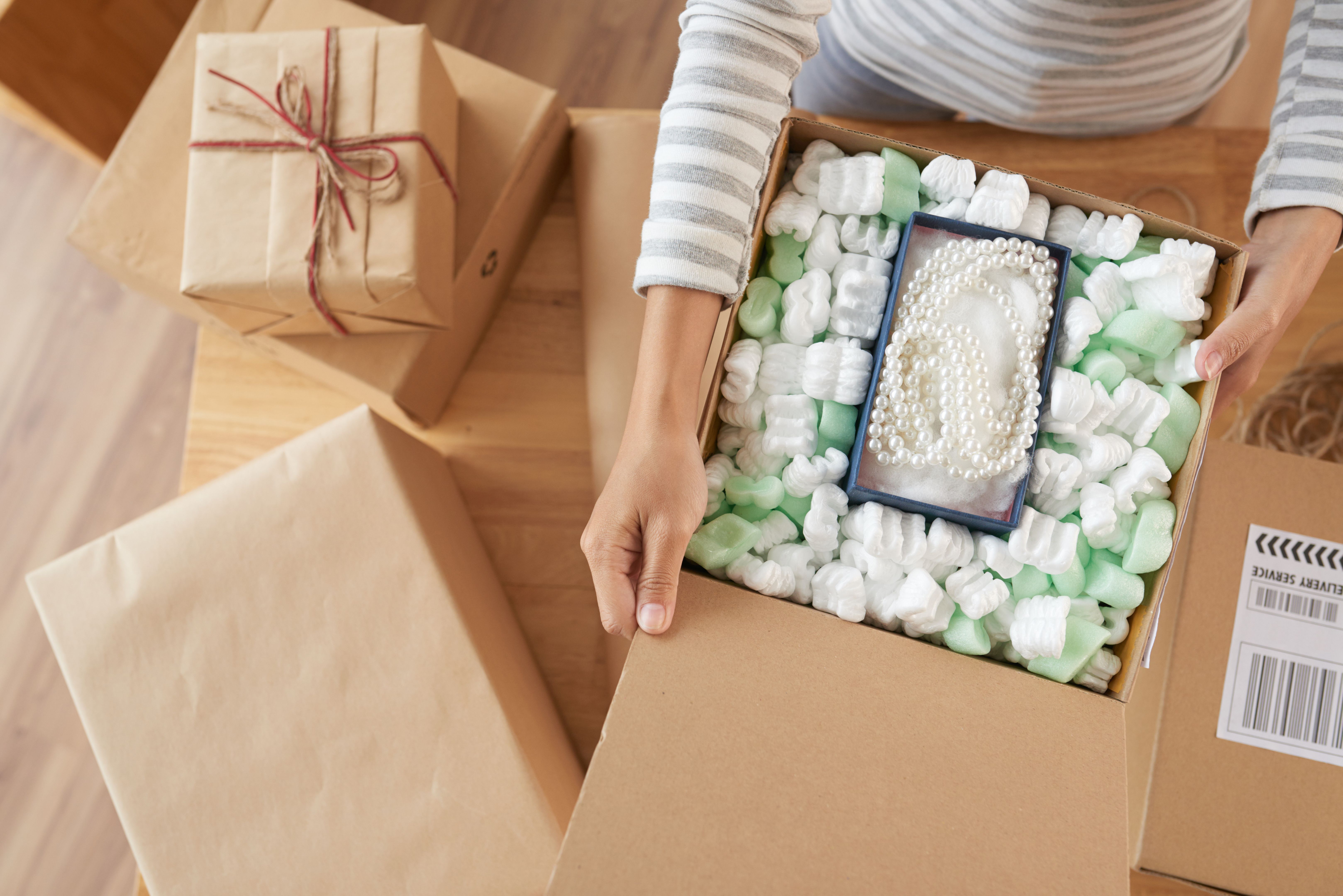
Packaging plays a crucial role in the overall customer experience. It should reflect the brand's identity and enhance the perceived value of the jewelry. Options range from elegant boxes to eco-friendly materials, each offering a different unboxing experience.
Effective branding extends beyond the product itself. Including elements like branded tags, care instructions, and personalized notes can create a memorable impression and foster customer loyalty.
Logistics and Delivery
The final step is logistics and delivery. Efficient inventory management and reliable shipping partners ensure that products reach customers without any hitches. Offering multiple delivery options can enhance customer satisfaction and accommodate diverse preferences.
Tracking and feedback systems also play a role in maintaining high service levels. They provide insights into the delivery process and customer satisfaction, allowing for continuous improvement.
Conclusion
From initial design to final delivery, the private label jewelry process is a complex yet rewarding journey. By understanding and managing each step, brands can create stunning collections that captivate their audience and drive business success.