
The Art of Private Label Jewelry Manufacturing: A Behind-the-Scenes Look


The Intricate World of Private Label Jewelry Manufacturing
Private label jewelry manufacturing offers brands the opportunity to differentiate themselves in a crowded market. By collaborating with skilled artisans and leveraging unique designs, brands can offer exclusive pieces that reflect their identity. But what goes on behind the scenes in this fascinating industry?
The Initial Design Phase
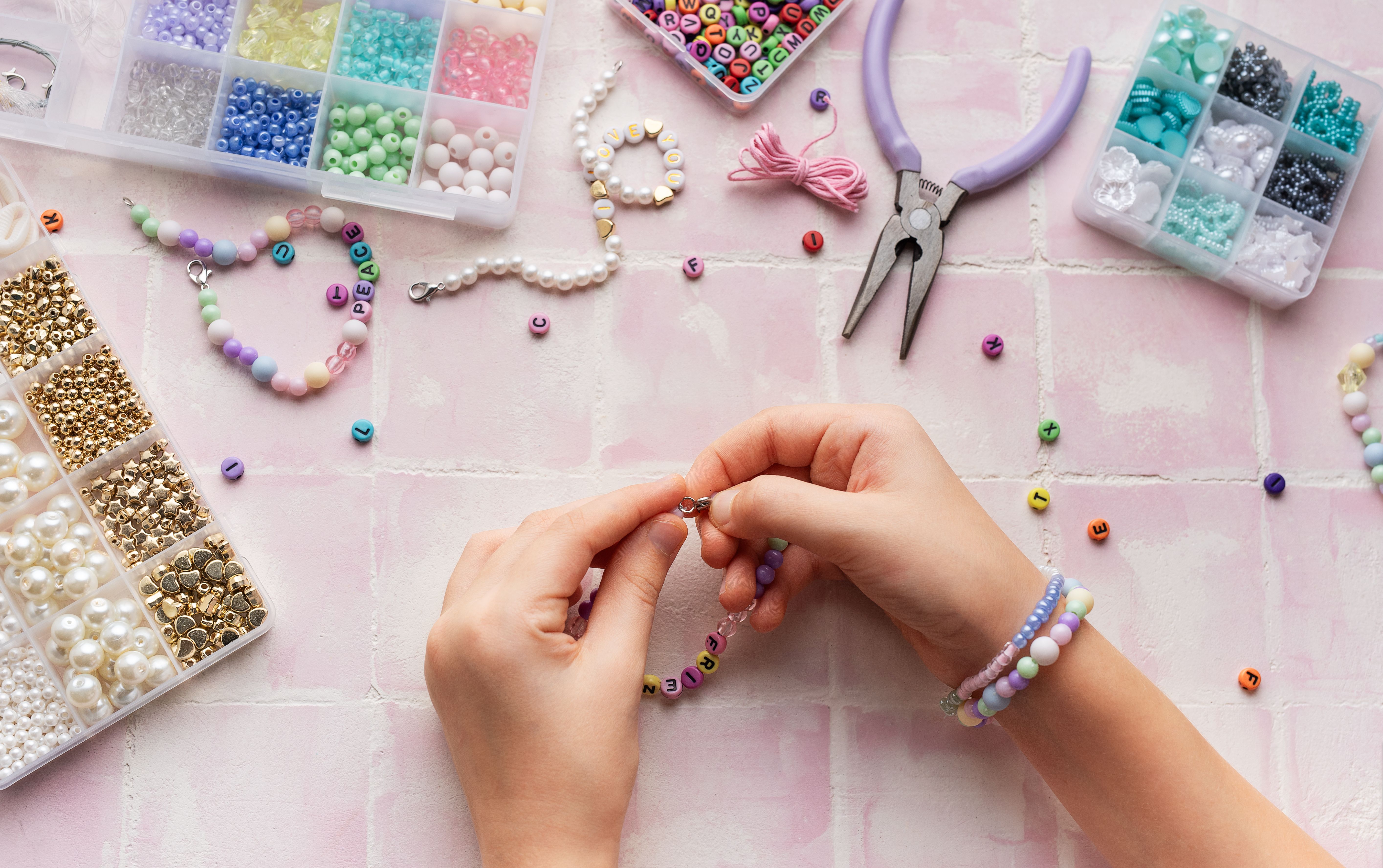
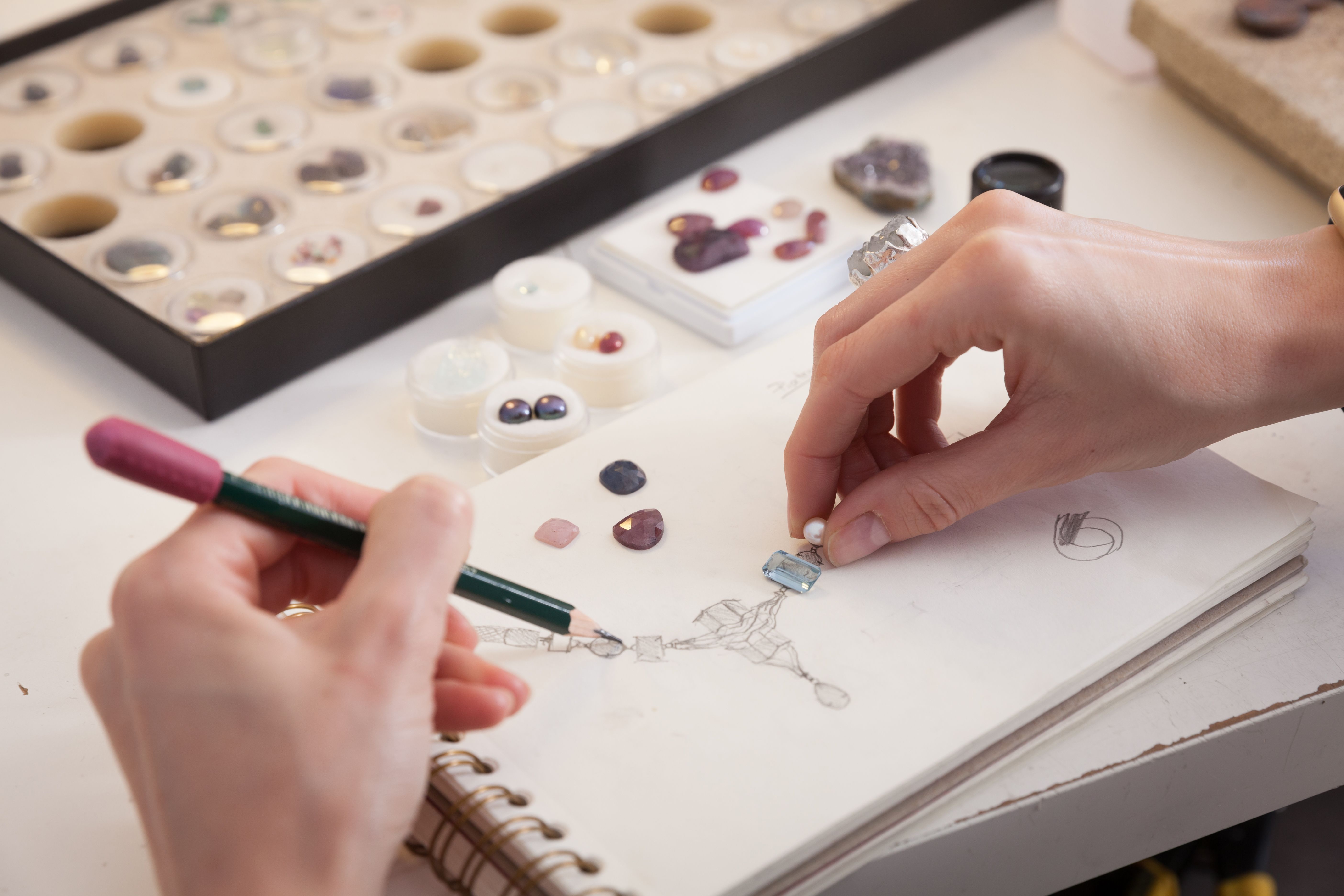
The journey begins with the design phase, where creativity meets strategy. Designers work closely with brands to understand their vision, target audience, and market trends. This collaborative process often involves sketching and digital design tools to bring ideas to life. It's essential to balance innovation with practicality to ensure designs are both stunning and feasible for production.
Once a concept is finalized, it moves on to the prototyping stage. Here, a physical model is created, usually using 3D printing or traditional craftsmanship. This step allows both parties to assess the design's functionality and aesthetics before moving to mass production.
Material Selection and Sourcing
Choosing the right materials is crucial in private label jewelry manufacturing. Brands often opt for high-quality metals and gemstones to ensure the final product's durability and allure. This phase involves sourcing materials from reputable suppliers to maintain quality and ethical standards.
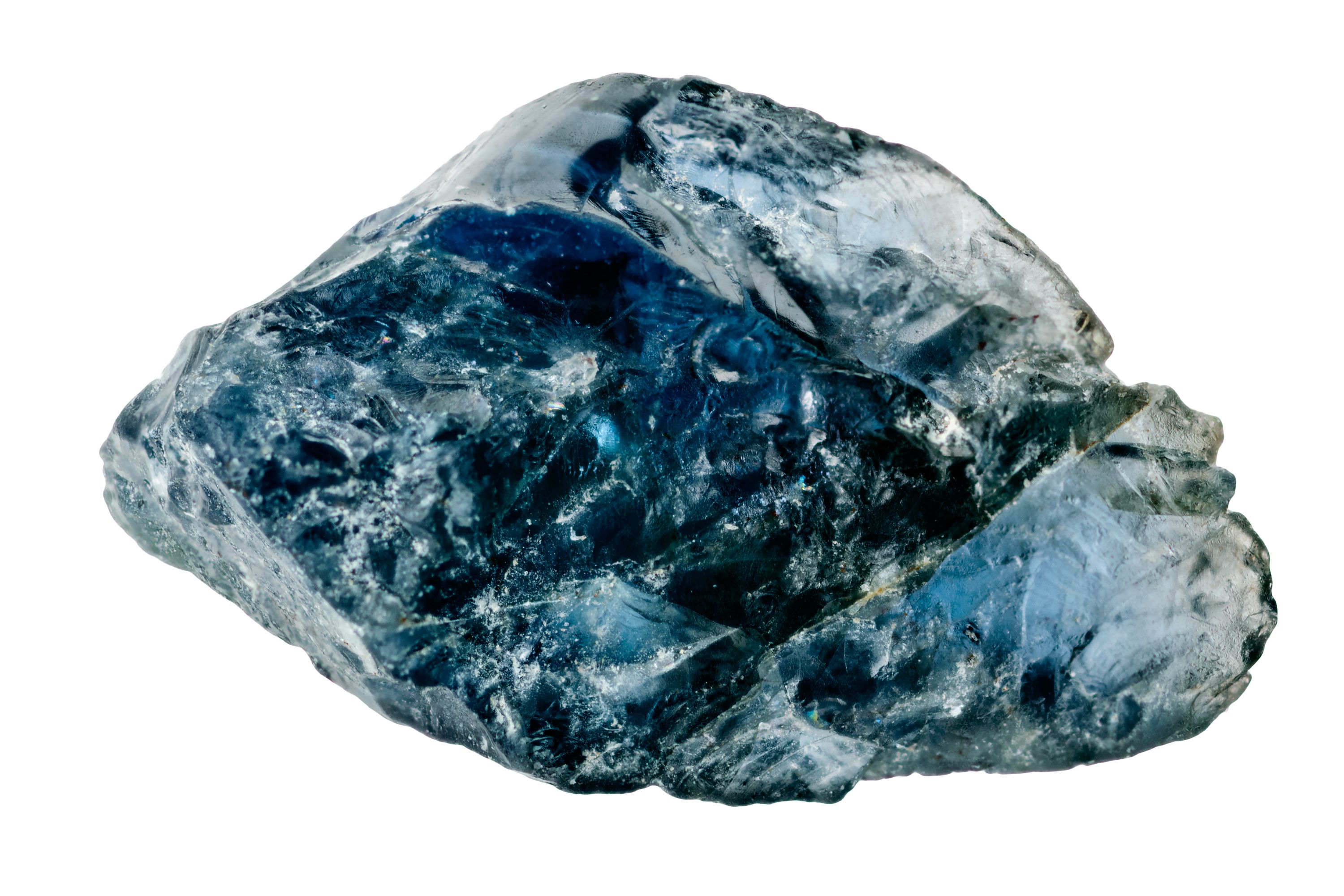
Manufacturers must navigate the complexities of the supply chain to secure the best materials. This can include negotiating with suppliers, ensuring ethical sourcing, and sometimes even exploring sustainable options to align with a brand's values.
The Manufacturing Process
Once materials are sourced, the manufacturing process begins. Skilled artisans play a vital role, employing techniques such as casting, soldering, and stone setting. Each piece requires precision and attention to detail to meet the brand's standards.
The production line is a blend of traditional craftsmanship and modern technology. While machines can handle some aspects of production, the human touch is irreplaceable in ensuring each piece's uniqueness and quality.
Quality Control and Branding
Quality control is a critical step in the private label jewelry manufacturing process. Each piece undergoes rigorous checks to ensure it meets the brand's specifications and quality standards. This includes inspecting for flaws, verifying material authenticity, and ensuring consistency across pieces.
Branding is also integrated during this stage, where logos or unique identifiers are added to the jewelry. This not only enhances brand recognition but also adds a personal touch that resonates with customers.
Packaging and Distribution
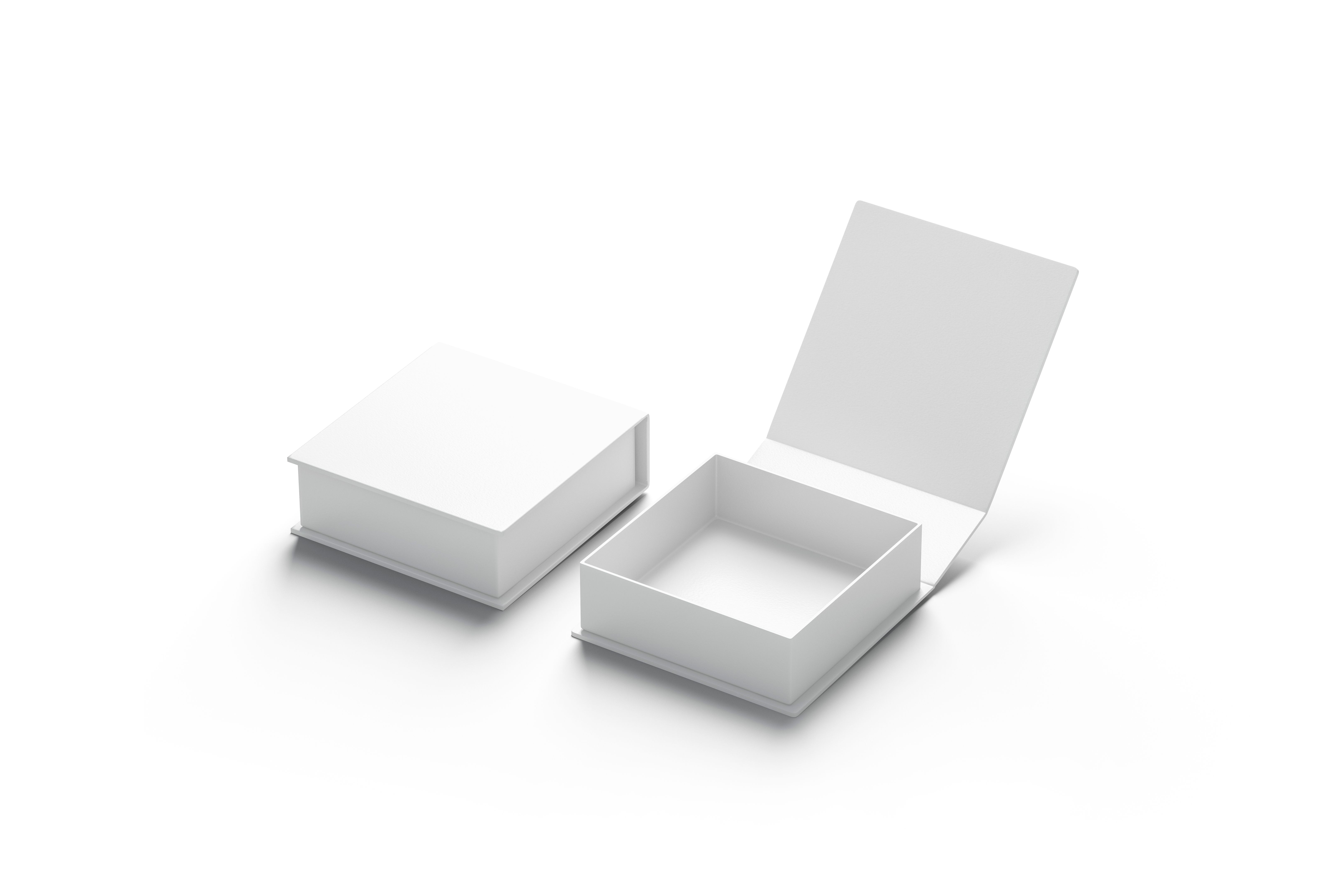
The final step in the journey is packaging and distribution. Packaging is more than just a protective measure; it's an extension of the brand's identity. Custom packaging solutions are designed to complement the jewelry and create a memorable unboxing experience for customers.
Once packaged, the jewelry is ready for distribution. Efficient logistics are essential to ensure timely delivery to retailers or directly to customers, depending on the brand's sales strategy.
In conclusion, the art of private label jewelry manufacturing is a complex but rewarding process. It combines creativity, craftsmanship, and strategic planning to deliver unique pieces that stand out in the marketplace. By understanding the intricacies involved, brands can better appreciate the effort and skill that goes into creating their exclusive collections.