
The Art of Silver Crafting: A Journey Through Ethical Practices


The Timeless Beauty of Silver Crafting
Silver crafting is more than just a skill; it is an art that has been passed down through generations. Every piece of silver jewelry or ornament tells a story, reflecting the meticulous craftsmanship and creativity of the artisan. This ancient practice has evolved over time, embracing new techniques while preserving its rich heritage.
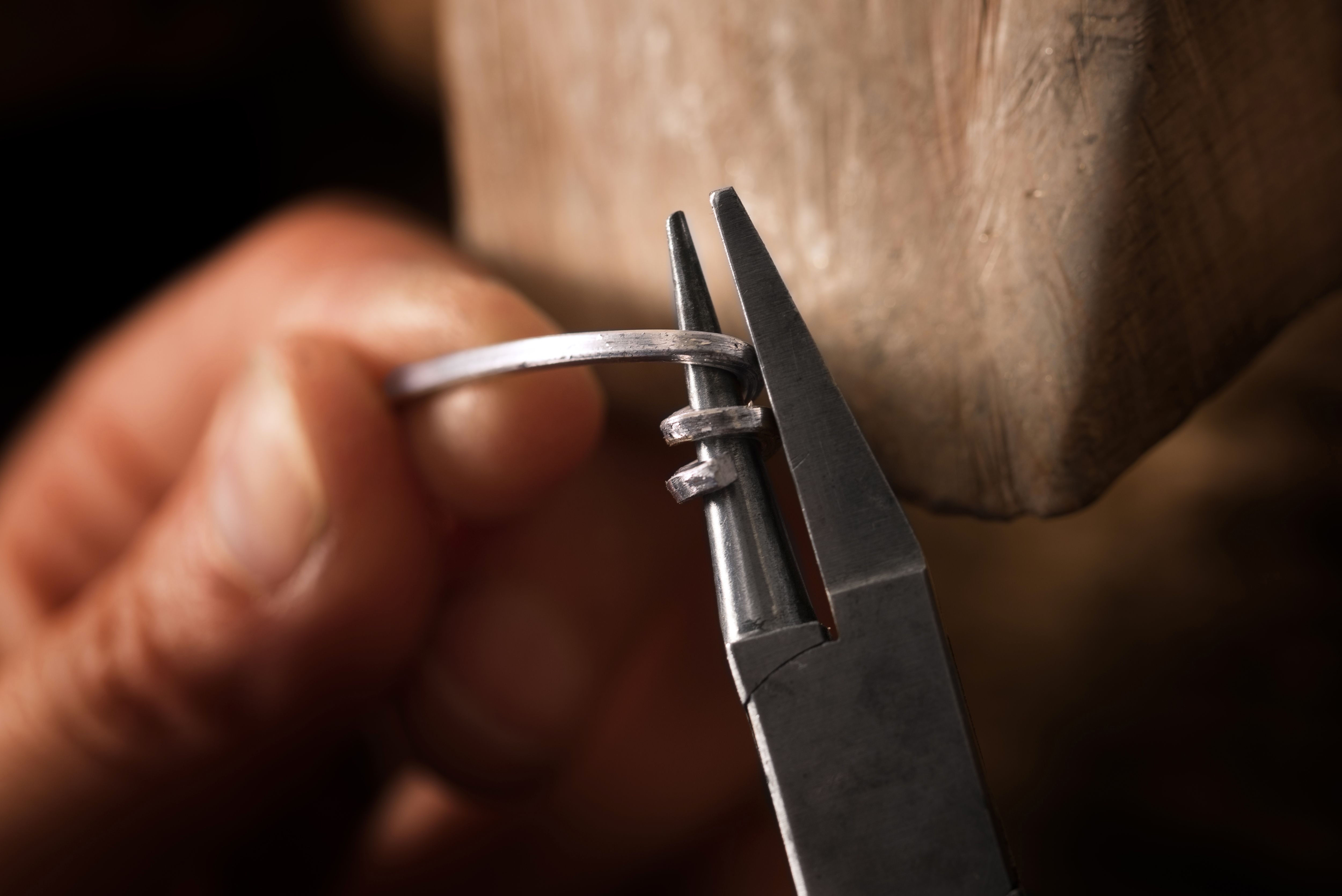
With the rising demand for unique, handcrafted items, silver crafting has gained immense popularity. However, this surge in demand has also brought attention to the ethical practices involved in the industry. Consumers today are more conscious of where their products come from and how they are made.
Ethical Sourcing of Silver
One of the primary concerns in silver crafting is the sourcing of raw materials. The mining industry has often faced scrutiny for its environmental and social impacts. Ethical silver crafting begins with responsible sourcing. This involves obtaining silver from mines that adhere to sustainable practices, minimizing their environmental footprint and ensuring fair labor conditions.
Recycled silver is another ethical option that many artisans are now embracing. By using recycled materials, crafters can reduce the demand for newly mined silver, thus lessening the environmental impact. This practice not only supports sustainability but also creates a unique appeal for eco-conscious consumers.

Fair Labor Practices in Silver Crafting
Ensuring fair labor practices is crucial in the silver crafting industry. Artisans deserve to work in safe environments and receive fair compensation for their skills and labor. By supporting businesses that prioritize fair labor, consumers can contribute to a more equitable industry.
Certifications and fair trade labels can guide consumers in making informed choices. These certifications ensure that the products are crafted under ethical conditions, providing transparency and accountability in the supply chain.
Innovative Techniques and Sustainability
In recent years, silver artisans have adopted innovative techniques to enhance both the aesthetic and ethical aspects of their craft. Techniques such as 3D printing and laser cutting are being used to create intricate designs with precision, reducing material waste in the process.
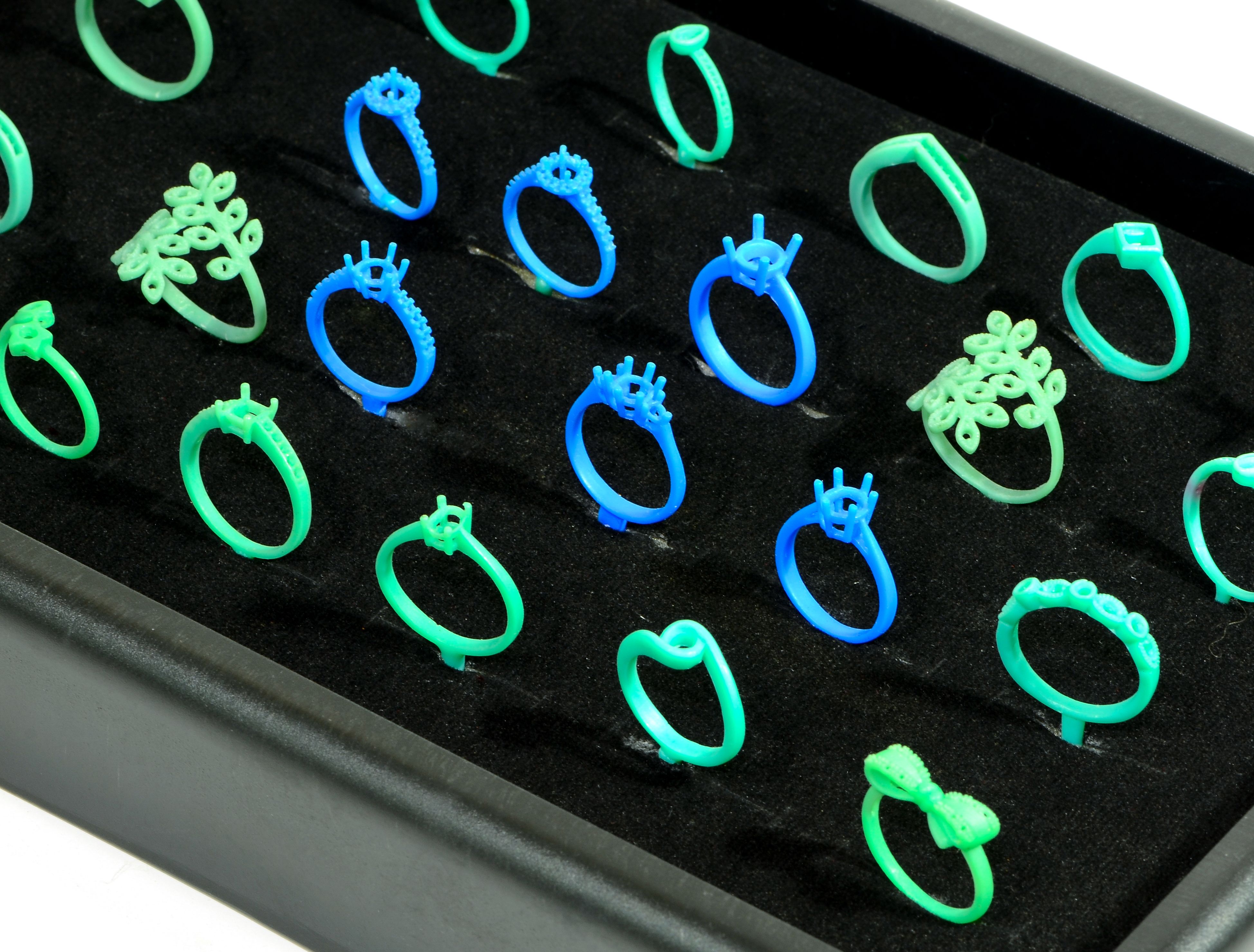
Moreover, many artisans are exploring eco-friendly methods, such as using natural dyes and non-toxic chemicals in the crafting process. These practices not only protect the environment but also ensure the safety of the artisans and the consumers.
The Role of Consumers in Promoting Ethical Practices
Consumers play a significant role in promoting ethical practices in silver crafting. By choosing to purchase from artisans and brands that prioritize sustainability and fair labor, they can drive positive change in the industry. Educating oneself about the origins and production processes of silver items is a step towards responsible consumption.
Supporting local artisans and small businesses can also contribute to the preservation of traditional silver crafting techniques. This support helps sustain the livelihoods of skilled artisans and encourages the continuation of this timeless art form.

The journey through ethical silver crafting is a blend of tradition and innovation, art and responsibility. By valuing ethical practices, we can ensure that the art of silver crafting continues to thrive, reflecting both its historical significance and its commitment to a sustainable future.