
Understanding the Jewelry Manufacturing Process: From Concept to Creation


Jewelry manufacturing is a fascinating journey that merges artistic vision with technical prowess. Understanding this process from concept to creation offers insights into how raw materials are transformed into stunning pieces of wearable art.
Concept Development
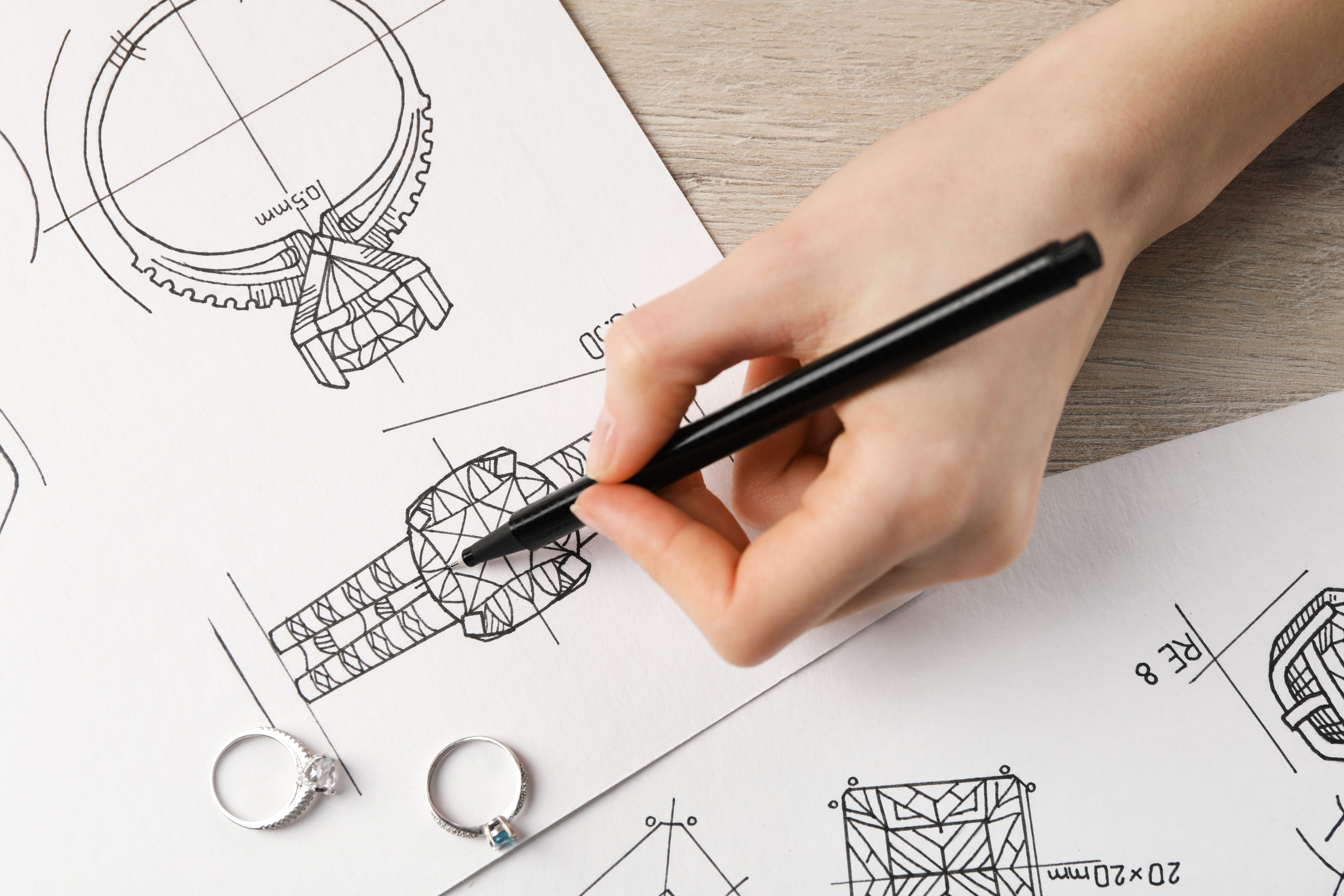
The journey begins with an idea. Designers often sketch their concepts, drawing inspiration from nature, architecture, or personal experiences. This phase involves a lot of creativity as designers visualize the final piece, considering elements like style, size, and intended audience.
Once the initial idea is sketched, it is refined into a final design. This involves selecting materials and determining the specific techniques required to bring the piece to life. Whether it’s a luxurious necklace or a simple ring, every detail is meticulously planned.
Design and Prototyping
After the concept is finalized, it moves to the design and prototyping stage. Here, advanced technology like CAD (Computer-Aided Design) software is often used to create a detailed 3D model of the piece. This allows for precise measurements and adjustments before any material is cut.
Prototyping can involve creating a physical model, sometimes using wax or resin, to provide a tangible representation of the final product. This step helps in identifying any potential issues and making necessary modifications before proceeding to production.
Material Selection and Sourcing
Choosing the right materials is crucial in jewelry manufacturing. Gold, silver, platinum, and gemstones are common choices, each offering unique qualities. The sourcing of these materials is a critical step, ensuring they are ethically and sustainably obtained.
Manufacturers often work with trusted suppliers to acquire high-quality materials. The choice of materials impacts not only the aesthetics but also the durability and cost of the final product.

Manufacturing Process
The actual manufacturing process involves several techniques. Casting is a popular method where molten metal is poured into molds to form the desired shape. Alternatively, some pieces may be hand-forged or fabricated, requiring skilled artisans to shape and assemble components by hand.
Additional processes such as stone setting, polishing, and engraving may follow. Each step requires precision and expertise to ensure the highest quality and finish of the jewelry.
Quality Control and Finishing
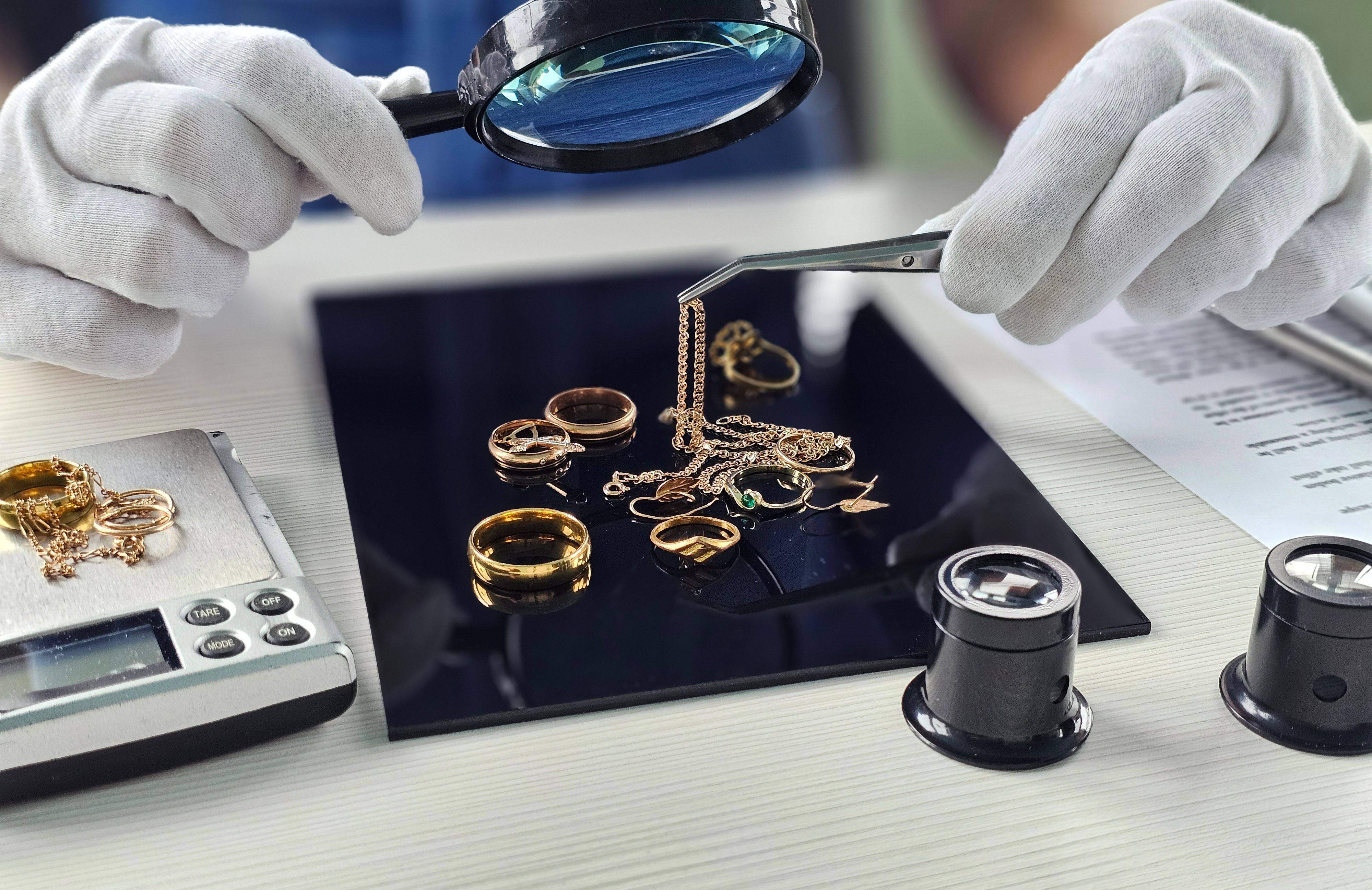
Quality control is an essential phase, ensuring that each piece meets strict standards. This involves inspecting for any defects or inconsistencies and making necessary adjustments. Skilled craftsmen carefully polish and refine the piece to achieve a flawless finish.
Final Presentation
Once completed, the jewelry is prepared for presentation. This may include packaging in elegant boxes and adding certificates of authenticity, especially for pieces with significant gemstones.
Understanding the jewelry manufacturing process reveals the intricate blend of art and science involved in creating beautiful and enduring pieces. From an initial concept to the final creation, each step is integral to producing jewelry that is both aesthetically pleasing and of high quality.